
How to Get Rid of Bad Breath From Wisdom Teeth
You notice a foul smell at the back of your mouth. Brushing twice a day doesn’t fix it. You are not imagining it, and you are not alone.
Here’s what’s actually happening. A partly erupted wisdom tooth traps food and bacteria under a flap of gum. That pocket is the source of the smell.
This guide covers how to get rid of bad breath from wisdom teeth with a five-step home routine. You’ll learn the cause, the tools for the job, and when to call a dentist.
Can Wisdom Teeth Cause Bad Breath?
Yes. Wisdom teeth cause bad breath because they sit at the back of the mouth where your toothbrush struggles to reach. A gum flap often covers part of the tooth, trapping food and bacteria underneath. The trapped debris feeds odor-producing bacteria that release the sulfur smell you notice.
Lower wisdom teeth are the usual source. 95% of pericoronitis infections (infection around a partly erupted wisdom tooth) involve the lower jaw. The next section covers the five-minute home routine that clears the smell.
Quick Fix for Wisdom Tooth Bad Breath
You can usually stop bad breath from wisdom teeth at home in a day or two. Rinse with warm salt water and flush the gum flap with a curved-tip syringe. Then brush the back molar, use an antibacterial rinse, and chew xylitol during the day.
- Rinse your mouth with warm salt water after every meal
- Flush the gum flap with a curved-tip syringe
- Brush the back molar with an end-tuft brush
- Swish an antibacterial, alcohol-free rinse twice a day
- Chew xylitol gum or mints five times a day
The details that make each step actually work are below.
Steps to Get Rid of Bad Breath From Wisdom Teeth
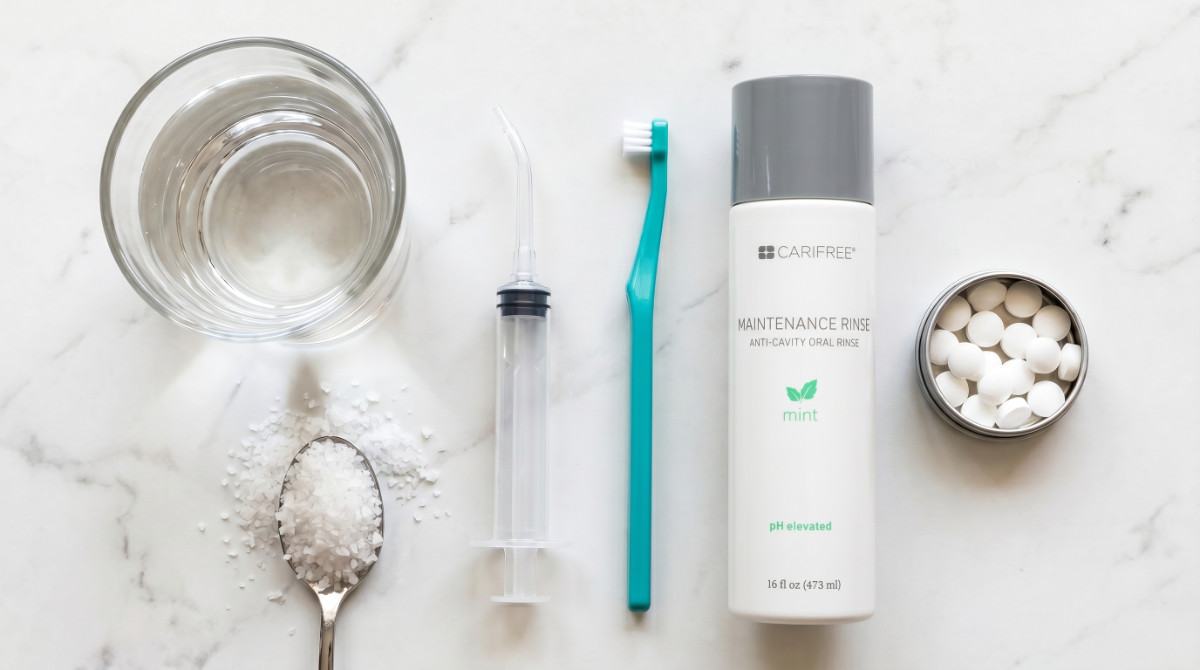
Getting rid of wisdom tooth bad breath at home comes down to two oral care routines. Clear the trapped food and kill the anaerobic bacteria living under the gum flap. Do all five steps for two to three days.
Step 1: Rinse With Salt Water
Start with warm salt water. Mix half a teaspoon of non-iodized salt in one cup of warm water. Swish for 30 seconds and tilt your head so the water pools around the wisdom tooth. Then, spit without swallowing.
Repeat after every meal for the first two to three days. Meal-time rinsing stops new debris from settling under the gum flap.
Salt water pulls moisture from bacterial cells and lifts loose debris. A clinical study found salt water rinses as effective as 0.12% chlorhexidine in reducing inflammation after gum surgery. That puts salt water on par with the prescription rinse dentists use.
This step is first aid, not a cure.
Step 2: Irrigate the Gum Flap
This step matters most. Use a curved-tip irrigation syringe or a water flosser on the lowest setting. A curved-tip syringe costs $5 to $10.
Fill the syringe with warm salt water or diluted antibacterial rinse. Aim at the gum flap, not the surrounding tissue. Then, flush gently until the water runs clear.
Food particles and pus-tinged discharge are normal on the first flush. Each flush after that should come out cleaner as the gum flap clears.
Irrigate twice a day, after breakfast and before bed. If the stream causes pain or bleeding, back off the tip and adjust your angle.
Step 3: Brush With an End-Tuft Brush
Swap your regular toothbrush for an end-tuft brush on the wisdom tooth. The small round tuft reaches behind the second molar where a standard brush can’t fit. TePe Compact Tuft and Curaprox Single are the common options.
Brush the back and tongue-side surfaces in small circles for 20 to 30 seconds. Start without toothpaste to spot the debris. Then go over the tooth with a pea-sized dab of fluoride or nano-hydroxyapatite toothpaste.
Replace your brush every 3 months. Worn bristles miss the tight spots.
Step 4: Swish an Antibacterial Mouth Rinse
Swish an alcohol-free antibacterial rinse for 30 seconds, twice a day. Alcohol dries your mouth and makes the smell worse. Look for rinses with cetylpyridinium chloride (CPC), prescription chlorhexidine, or a pH-balancing formula.
CariFree Treatment Rinse is pH-balanced and targets the biofilm under the gum flap. That biofilm is the actual source of the smell. Use Treatment Rinse for 2 weeks, then switch to Maintenance Rinse.
Note: Chlorhexidine and CPC cancel each other out. Do not use them in the same hour.
Step 5: Chew Xylitol Throughout the Day
Xylitol starves the bacteria that produce the smell. It’s a sugar alcohol bacteria can’t digest. Xylitol also stops bacteria from making the slime that glues them to your teeth.
Aim for 6 to 10 grams per day, split into 3 to 5 exposures. Two xylitol mints or one piece of xylitol gum counts as one exposure. The California Dental Association also recommends this schedule.
Safety Note: Xylitol is toxic to dogs. Store mints and gum out of reach.
Why Does My Wisdom Tooth Smell?
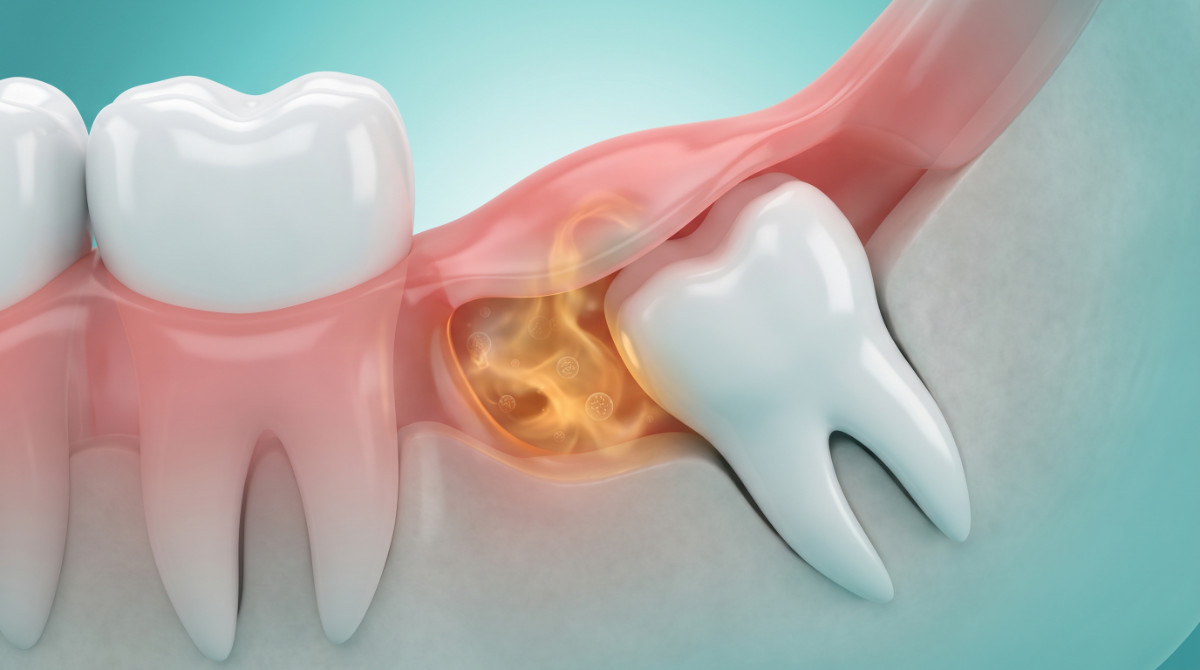
A wisdom tooth smells because food and bacteria get trapped where your toothbrush can’t reach. Most wisdom teeth erupt only partway. A gum flap covers part of the tooth and traps debris underneath.
Anaerobic bacteria feed on the debris and release sulfur compounds. These compounds smell like rotten eggs or garbage.
The Gum Flap Traps Food and Bacteria
The operculum is the flap of gum that covers a partially erupted wisdom tooth. The flap traps food and bacteria underneath. The oxygen-poor pocket then fuels bacterial growth.
Anaerobic bacteria produce volatile sulfur compounds (VSCs). VSCs smell like rotten eggs and cause 85 to 90% of bad breath. Inflammation of the flap leads to pericoronitis.
Upper Wisdom Teeth Irritate Sinuses
Your upper third molars sit directly below the maxillary sinus. Eruption pressure can irritate the sinus lining and trigger sinus drainage down the back of the throat.
The drainage carries bacteria past the tongue. That’s why the breath smells sour even after you brush. Upper wisdom teeth cause this kind of bad breath more often than lower ones.
A course of antibiotics or a nasal steroid often clears the sinus issue. See a primary care doctor for the prescription, not a dentist.
Mouth Breathing Worsens the Smell
Pain and swelling from a wisdom tooth can block your nose during sleep. The body switches to mouth breathing overnight. That shift dries out the mouth and cuts saliva flow.
Saliva rinses the mouth and maintains a neutral pH level. Without it, bacteria multiply faster and produce more VSCs by morning.
Keep a moisturizing spray on the nightstand. A quick mist before bed and after waking up protects against dry-mouth odors.
Tight Spaces Block Your Toothbrush
The back of your mouth is hard to reach. A standard toothbrush head is often too wide to fit behind the second molar.
Plaque builds up in that blind spot and hardens into biofilm. Biofilm is a sticky shield that protects odor-producing bacteria from mouthwash and most brushing.
The solution is an end-tuft brush paired with a curved-tip syringe or water flosser. Each one reaches the back corner a regular brush can’t touch.
Signs the Smell Is From Your Wisdom Teeth
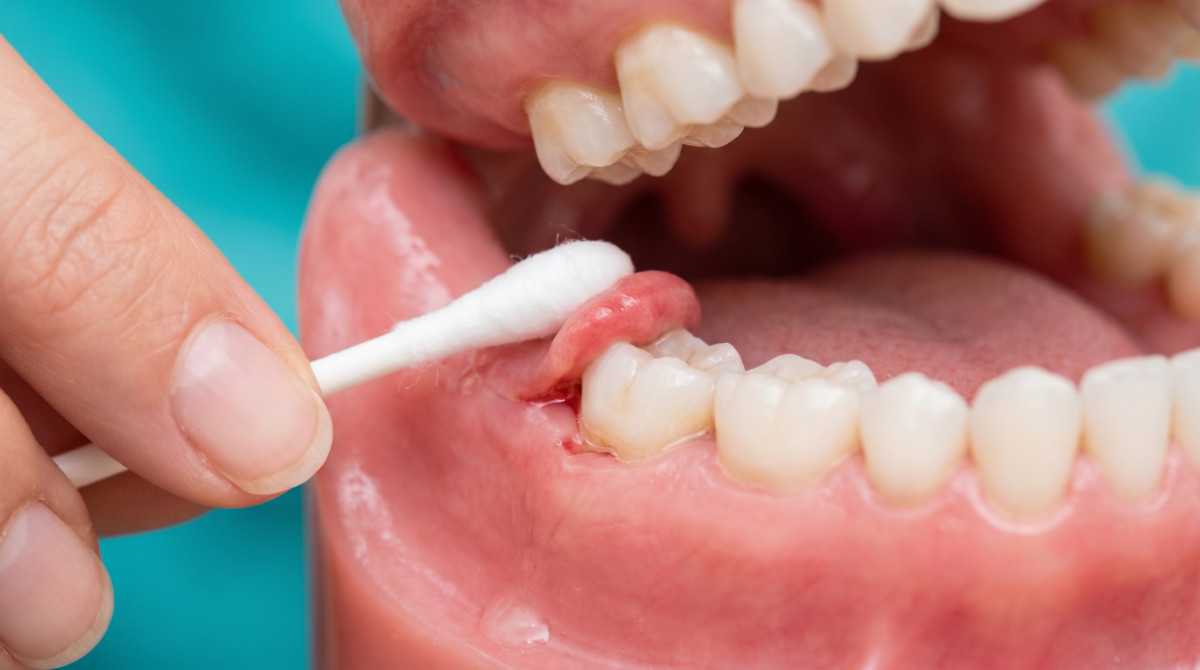
Your wisdom tooth is the likely source if the smell tracks to one specific back corner of your mouth. The odor gets stronger when you press the gum.
Here are six signs that point to a wisdom tooth as the cause:
- Localized smell from one specific back corner of your mouth
- Stronger odor when you press the gum over the back molar
- Bad taste that returns within an hour of brushing
- Red, puffy, or tender gum tissue behind the last erupted tooth
- Food getting stuck in the same spot every day
- Breath that doesn’t improve after tongue scraping
Try the 10-second Q-tip test. Wash your hands and grab a clean cotton swab. Press the swab against the gum flap behind your last molar for 3 seconds. Pull it out and smell the tip.
A sulfur, rotten, or fecal odor confirms the operculum is the source. A clean swab paired with persistent bad breath points elsewhere.
Tongue bacteria, tonsil stones, post-nasal drip, or a deeper dental issue could be the cause. Consider booking a dental visit to narrow it down.
When to See a Dentist About a Wisdom Tooth Infection
See a dentist within 48 hours if bad breath persists and you experience pain, swelling, fever, or pus. These symptoms are signs of pericoronitis or a deeper infection that needs professional care.
Book an appointment if you notice any of these red flags:
- Throbbing pain in the back of your mouth
- Swelling of the jaw, cheek, or neck
- Pus or yellow discharge around the gum flap
- Fever above 100°F or chills
- Trouble opening your mouth or swallowing
- Bad breath that returns within hours after care
Your dentist will start with a panoramic X-ray to see the tooth’s position. A mild infection calls for antibiotics. A bad angle calls for wisdom tooth surgery.
Pericoronitis most often affects people aged 15 to 26. That matches the typical wisdom tooth eruption window.
Address an infection early to avoid emergency visits and a longer healing period. Find a dentist near you to get ahead of it.
How to Prevent Bad Breath From Wisdom Teeth

Three oral health habits can prevent bad breath caused by wisdom teeth. Clean the back of your mouth every day. Balance your oral pH. Schedule X-rays every year or two.
Daily Cleaning Routine
Good oral hygiene at the wisdom tooth takes 2 minutes a day. Use an end-tuft brush on the back molar. Floss or run an interdental brush behind the second molar. Finish with a pH-balanced rinse.
Drink water after snacks to flush trapped particles between cleaning routines. Rinse extra on days when you eat something sticky or fibrous, like popcorn and leafy greens.
pH Balance and Biofilm Disruption
An acidic mouth lets odor-causing bacteria take over and build biofilm. That biofilm is a sticky shield that mouthwash can’t break through. Masking the smell doesn’t fix the problem.
CariFree Maintenance Rinse and Gel 1100 with nano-hydroxyapatite break that cycle. They use pH-balanced science to neutralize acid, disrupt biofilm, and remineralize enamel.
Regular Dental Checkups
Ask for X-rays every 12 to 18 months to track the wisdom tooth position. Early removal of a tooth heading toward impaction prevents chronic odor later.
Professional cleanings reach under the gum flap in ways home tools can’t. Most dentists recommend a cleaning every 6 months.
Tell your hygienist if the smell keeps returning in the same spot. That detail speeds up diagnosis and often shortens treatment.
Other Causes of Bad Breath
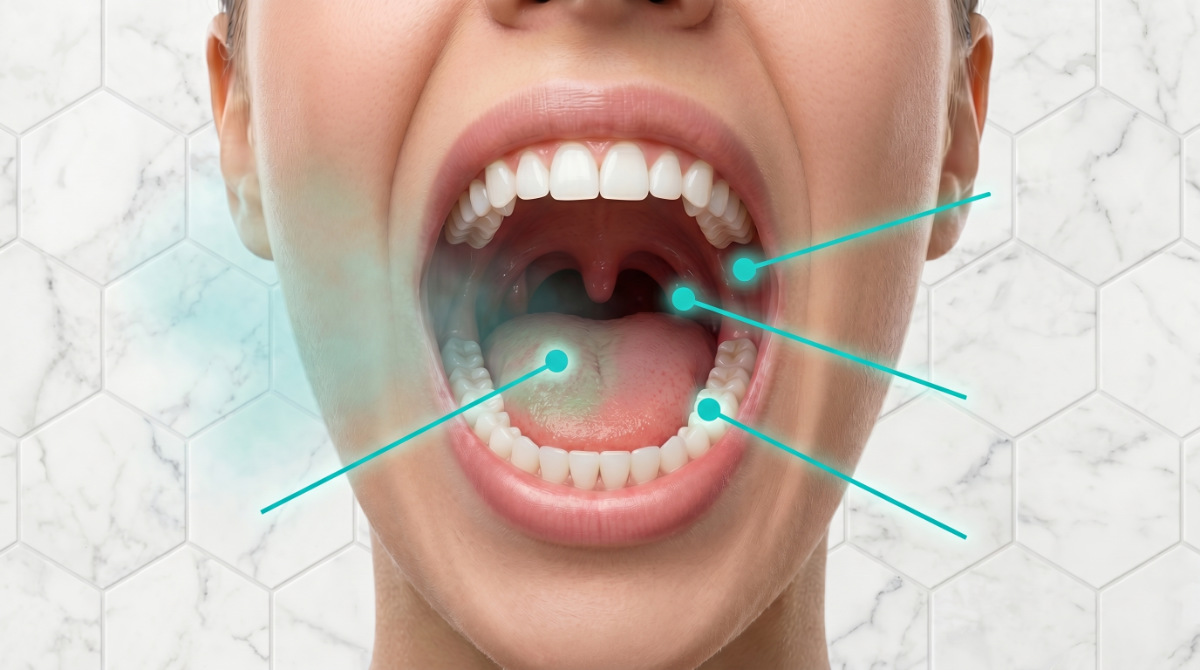
Wisdom teeth are a common cause of localized mouth odor. They’re not the most common cause of chronic bad breath.
A clean Q-tip swab and ongoing breath issues may point to other problems. These are the usual suspects of foul breath:
- Tongue bacteria and biofilm on the back third of the tongue
- Tonsil stones lodged in the tonsillar crypts
- Gum disease and deep periodontal pockets
- Post-nasal drip from allergies or sinus infection
- Dry mouth from medications, mouth breathing, or dehydration
- Dietary triggers like garlic, coffee, and low-carb diets
Freshen Your Breath with CariFree
Wisdom tooth bad breath is a signal, not a verdict. A five-step home routine clears most cases in a day or two. A pH-balanced routine keeps the smell from coming back.
CariFree Treatment Rinse, Maintenance Rinse, and Gel 1100 disrupt the biofilm under the gum flap. They don’t mask the odor.
Start with the Treatment Rinse for 2 weeks, then move to the Maintenance Rinse to keep your breath fresh.
Shop the Full CariFree Routine
FAQs About Smelly Wisdom Teeth
Find quick answers to common questions about why wisdom teeth smell.
How Long Does Wisdom Tooth Smell Last?
The smell from a wisdom tooth lasts 2 to 5 days in mild cases and 1 to 2 weeks in moderate cases. The odor fades as gum tissue heals or the extraction site closes. See a dentist if the smell worsens, causes pain, or lasts longer than 2 weeks.
Can Impacted Wisdom Teeth Cause Bad Breath?
Yes, impacted wisdom teeth cause bad breath because food and bacteria get trapped in a sealed pocket. The pocket sits under the gum or jawbone where home cleaning can’t reach. The smell returns no matter how often you brush or rinse. Wisdom teeth removal is the most reliable fix for impacted teeth that cause chronic bad breath.
Why Does My Wisdom Tooth Smell When I Touch It?
Your wisdom tooth smells when you touch it because pressing squeezes a pocket under the gum flap. The pocket holds anaerobic bacteria that release volatile sulfur compounds. A strong release signals an inflamed operculum, the early sign of pericoronitis. Flush with a curved-tip syringe and see a dentist.
Why Does My Wisdom Tooth Smell Like Poop?
A wisdom tooth smells like poop because anaerobic bacteria release methyl mercaptan. The chemical is the same one found in sewage and feces. The bacteria thrive in the oxygen-poor pocket under your gum flap. The smell isn’t dangerous, but it signals active bacterial growth that needs cleaning.
Why Does My Wisdom Tooth Smell Like Poop?
A wisdom tooth smells like poop because anaerobic bacteria release methyl mercaptan in the pocket under your gums. The chemical is the same one found in sewage and feces. A mild odor suggests bacterial buildup. A strong or worsening odor can signal pericoronitis and needs a dental visit.
Will Mouthwash Get Rid of Bad Breath From Wisdom Teeth?
No, mouthwash alone won’t eliminate bad breath from wisdom teeth. Swishing can’t reach the pocket under the gum flap where the bacteria live. Flush the pocket with a curved-tip syringe first. Then use a pH-balanced rinse like CariFree Treatment Rinse to disrupt the biofilm and restore fresh breath.