
Can You Reverse a Cavity?

Introduction
Many people wonder if you can reverse a cavity and whether early tooth decay can heal on its own. The good news is that you can reverse a cavity in its earliest stage before a hole forms in the tooth. This guide will show you how cavities develop, which stages can heal, and what treatments or home habits actually work. You will also learn when it is safe to try remineralizing at home and when you need a dentist. Our goal is to give you clear, simple steps so you can protect your smile with confidence.
TL;DR: Can You Reverse a Cavity?
This section gives a fast answer to the question can you reverse a cavity so you know exactly what to do next. Early decay can heal, but deeper cavities need professional care. Use this as your quick reference before reading the full guide.
- Stage 1 early cavities often reverse at home with the right oral care.
- Stage 2 to 3 cavities may need a dentist for treatment or repair.
- Stage 4 to 5 cavities are permanent and usually require fillings or root canals.
- Fluoride, hydroxyapatite, and xylitol help remineralize enamel.
- Regular dental visits and strong daily hygiene are key for prevention.
CariFree’s fluoride and pH balancing products support enamel repair and cavity prevention at home
Can You Reverse a Cavity? (And When It’s Too Late)
The short answer is yes, cavities can be reversed but only in the very early stage. An early stage cavity affects only the enamel and can heal through remineralization. Once the decay breaks through the enamel and reaches the dentin or pulp, the damage cannot be reversed at home.
Early stage 1 cavities can benefit from fluoride, hydroxyapatite, xylitol, and strong daily hygiene. But when a cavity reaches stage 3 or deeper, bacteria spread faster and the tooth becomes weaker. At that point, the decay must be cleaned and restored by a dentist to prevent pain, infection, or tooth loss.
What Is a Cavity?
A cavity is a permanently damaged spot on the surface of a tooth caused by acid and bacteria. You may also hear cavities called dental cavities, tooth decay, or dental caries. They form when harmful bacteria in your mouth feed on sugar and release acids that weaken the enamel.
Over time, plaque buildup and repeated acid attacks break down the tooth structure. If not treated, the damage grows deeper and can affect your overall oral health. Early decay can heal, but deeper cavities require professional care.
How Does a Cavity Form?
The formation of cavities starts with a simple chain reaction that happens every day in your mouth. Cavity formation begins when food particles mix with saliva and the bacteria in your mouth. These bacteria feed on sugars and produce acids that damage tooth enamel.
As acids sit on the teeth, they create sticky plaque that clings to the surface. This starts the decay process, where minerals are pulled out of the enamel in a stage called demineralization. Over time, the enamel weakens and breaks down, leading to small openings that can grow into full cavities if not treated.
What Stages of Cavities Can Be Reversed?
Cavities move through five distinct stages, and the earlier a cavity is caught, the better your chances of saving the tooth. Only a stage 1 cavity can fully heal through remineralization because the damage stays on the surface enamel. Once the decay reaches deeper layers, the tooth cannot repair itself.
Here is a clear breakdown of each cavity stage:
| Cavity Stage | Description | Visual Signs | Reversible? | Recommended Treatment |
|---|---|---|---|---|
| Stage 1 Cavity | Early enamel demineralization | Chalky white spots | Yes | Fluoride, xylitol, hydroxyapatite, pH balanced diet |
| Stage 2 Cavity | Surface enamel breakdown | Discoloration, dull or rough spots | No | Fluoride, possible filling |
| Stage 3 Cavity | Decay reaches dentin layer | Visible hole or brown or black spot | No | Dental filling |
| Stage 4 Cavity | Decay enters the tooth pulp | Pain, swelling, darkened tooth | No | Root canal |
| Stage 5 Cavity | Abscess forms and infection spreads | Severe pain, pus, facial swelling | No | Root canal or extraction |
Stage 1 Early Cavity: White Spot Lesions (Reversible)
A stage 1 cavity begins with small white spots that show early enamel demineralization. These spots form when acids pull minerals out of the enamel. At this point, the enamel surface is still intact, so the damage can fully reverse. Fluoride, hydroxyapatite toothpaste, xylitol, and a low sugar diet help rebuild minerals and stop the cavity from growing.
Stage 2 Cavity: Enamel Decay
A stage 2 cavity happens when the enamel surface starts to break down. The tooth may look dull, rough, or discolored. At this stage you can slow the decay and strengthen the enamel, but you cannot fully reverse the damage. Some patients may still avoid drilling, but many will need a small filling to protect the tooth.
Stage 3 Cavity: Dentin Involvement
A stage 3 cavity reaches the dentin, which is the softer layer under the enamel. This is when pain and sensitivity often begin. Remineralization is very unlikely because dentin cannot repair itself the way enamel can. A dentist usually needs to remove the decay and place a filling to prevent the cavity from spreading further.
Stage 4 Cavity: Pulp Exposure
A stage 4 cavity breaks through the dentin and enters the pulp where nerves and blood vessels live. This causes stronger pain, swelling, or temperature sensitivity. At this point the tooth is infected and cannot heal on its own. Root canal therapy is the standard treatment to remove the infection and save the tooth.
Stage 5 Cavity: Abscess and Infection
A stage 5 cavity is the most advanced stage. An abscess forms as the infection spreads beyond the tooth into the gums or jaw. This can cause severe pain, pus, fever, or facial swelling. The tooth cannot be saved without major treatment. A root canal or extraction is needed to remove the infection and protect your health.
Reverse Cavity Before and After
Many people want to see reverse cavity before and after results to know if early decay can truly heal. In most cases, stage 1 enamel lesions can improve as minerals return to the tooth surface. While you cannot reverse cavities naturally once the enamel breaks, you can reverse early damage before a hole forms.
Before:
Enamel shows chalky white spots from demineralization.
After:
White spots fade as minerals repair the surface and strengthen the tooth.
How to Reverse Cavities at Home?
You can reverse cavities at home only when the decay is in stage 1, before a hole forms in the enamel. At this point the enamel can rebuild minerals and stop the damage from spreading. These steps help you reverse tooth decay early and support a healthier smile.
Here are science backed habits that help reverse cavities naturally:
- Brush twice daily with fluoride or hydroxyapatite toothpaste to rebuild enamel.
- Use xylitol gum or mints to lower bacteria and support saliva flow.
- Limit sugary snacks and drinks since sugar fuels acid producing bacteria.
- Rinse with a fluoride or pH balancing mouthwash to strengthen enamel.
- Drink more water to wash away acids and support natural remineralization.
- Eat calcium rich foods like dairy, leafy greens, and almonds to support tooth repair.
- Avoid constant snacking because it keeps acids on your teeth longer.
These habits help the enamel recover and stop early decay from getting worse.
Use Fluoride Toothpaste
Using fluoride toothpaste is one of the best ways to slow and stop early decay. Fluoride strengthens enamel by helping minerals return to weakened spots and making the tooth more resistant to acid. When you brush your teeth twice a day with a strong fluoride formula, you give your enamel the support it needs to heal.
Some popular options for the best toothpaste to reverse cavities include brands like Colgate, Crest, CariFree, and Sensodyne.
Products like CariFree’s Gel 1100 support remineralization during the early stages of tooth decay.
Try Nano-hydroxyapatite or Xylitol Products
Nano-hydroxyapatite and xylitol are popular options for people who want ingredients that work like fluoride but feel more natural. Hydroxyapatite is the same mineral that makes up your natural tooth structure, and it helps fill tiny enamel defects. Xylitol reduces cavity causing bacteria and supports saliva flow, which helps prevent acid attacks.
Many people ask can xylitol reverse cavities, and while it cannot heal deep decay, it can support early enamel repair. These ingredients are often found in a toothpaste that reverses cavities at the early stage.
CariFree’s formulas include xylitol and pH neutralizing agents designed to limit decay and support enamel repair.
Improve Oral Hygiene Habits
Strong oral hygiene habits help stop early decay and protect your enamel from daily acid attacks. When you clean your teeth well, you remove food particles and bacteria that cause demineralization. These simple steps make it easier to prevent cavities and keep your mouth healthy.
Here are key habits to focus on:
- Daily brushing and flossing to remove plaque and food debris.
- Floss every day because does flossing prevent cavities is a common question, and the answer is yes.
- Clean your tongue to lower bacteria levels in your mouth.
- Rinse with a fluoride or antibacterial formula since many people ask does mouthwash prevent cavities, and the right rinse can help.
- Replace your toothbrush every three months or sooner if the bristles wear down.
Eat a Tooth Healthy Diet
A tooth friendly diet helps protect your teeth and supports natural remineralization. The right foods give your enamel the minerals it needs while limiting the acids that cause decay. A few simple changes can make a big difference in early cavity prevention.
Try adding more of these enamel friendly foods:
- Leafy greens like spinach and kale
- Cheese, yogurt, and other calcium rich dairy
- Nuts and seeds
- Fresh fruits and vegetables that increase saliva flow
- Lean proteins that support overall health
Hydration also matters. Drink plenty of water to wash away acid and food particles throughout the day. Reduce sugary snacks and drinks since they feed harmful bacteria. When you stay hydrated and choose the right foods, you strengthen your teeth from the inside out.
Best Toothpaste to Reverse Cavities
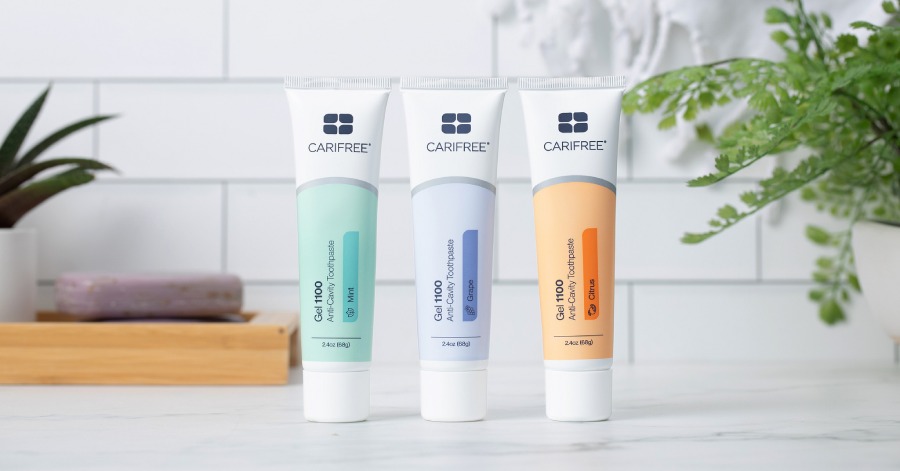
CariFree CTx4 Gel 1100: Dentist-developed toothpaste with fluoride and xylitol to remineralize enamel, neutralize acid, and reverse early-stage cavities.
What Can a Dentist Do to Reverse or Stop a Cavity?
A dentist can spot problems early and treat decay before it gets worse. With early detection, small enamel changes can be managed and sometimes reversed. Regular dental visits also help you prevent future decay and keep your overall dental care on track.
Use Fluoride Treatments and Dental Sealants
Dentists often use fluoride treatments to strengthen enamel and slow early decay. These treatments contain higher levels of fluoride than toothpaste and help prevent tooth decay from progressing. During regular dental checkups, dentists may also apply dental sealants to protect the chewing surfaces of back teeth, especially in children and teens.
Treat Deep Cavities with Fillings or Root Canal Therapy
When a cavity has reached the dentin or pulp, at-home care is no longer enough. A filling is used for moderate decay to remove damaged tissue and restore the tooth. In more advanced cases, a root canal removes infected pulp to save the tooth. If the damage is severe, tooth extraction may be the only option to prevent infection from spreading.
How to Know If You Have a Cavity?
Catching the early signs of a cavity makes treatment easier and helps protect your tooth. Early detection lets you address enamel damage before it turns into a deeper problem. Paying attention to small changes and spots on your teeth can help you notice the signs of tooth decay sooner.
Common signs include:
- White spots that signal early enamel loss
- Tooth sensitivity to hot, cold, or sweet foods
- Lingering pain when chewing
- Staining or dark spots on the tooth surface
- Small holes or pits in your teeth
How to Prevent Cavities from Getting Worse
Strong daily habits help prevent cavities and protect your teeth from deeper damage. Good dental hygiene and smart food choices can stop decay before it reaches the dentin or pulp. Think of this section as a simple plan for long term cavity prevention that saves you from costly dental procedures.
Here is a quick checklist to follow:
- Use fluoride in your toothpaste and mouthwash
- Brush and floss daily to remove plaque
- Avoid sugar and acidic drinks that weaken enamel
- Eat enamel-supportive foods like dairy, leafy greens, and nuts
- Get regular dental checkups to catch small problems early
Protect Your Oral Health with Carifree
Early decay can heal if you act fast and follow strong daily habits. The biggest takeaways are simple: reverse early damage, treat deeper cavities quickly, and focus on prevention every day. With the right tools, you can keep your enamel strong and avoid future problems.
CariFree products support a healthy pH balance, strengthen enamel, and help stop cavity-causing bacteria. Their dentist developed formulas that make it easier to protect your smile at home.
Protect your teeth with Carifree’s dentist-developed cavity-fighting solutions.
FAQs About Reversing Cavities
Can you get rid of cavities on your own?
You can get rid of a cavity on your own only if it is in the earliest stage. Early enamel damage can heal through remineralization with fluoride, hydroxyapatite, and good daily habits. Deeper cavities need a dentist.
Can xylitol reverse cavities?
Xylitol cannot reverse deep decay, but it can help stop bacteria growth and support early enamel repair. It is most helpful when combined with fluoride or hydroxyapatite. Think of it as a support ingredient, not a cure.
Can nano-hydroxyapatite reverse cavities?
Nano-hydroxyapatite can reverse early stage enamel damage because it replaces lost minerals. It works well for white spot lesions and early surface decay. It cannot fix a cavity once a hole has formed.
Does mouthwash prevent cavities?
A fluoride or antibacterial mouthwash can help prevent cavities by lowering bacteria and strengthening enamel. Mouthwash works best alongside brushing and flossing. It should not replace daily cleaning.
Does flossing prevent cavities?
Yes, flossing helps prevent cavities by removing plaque and food from between teeth where a toothbrush cannot reach. This reduces acid buildup and lowers your risk of decay. Daily flossing is one of the most effective habits you can form.
Can cavities go away naturally?
Cavities can go away naturally only in the very early stage before a hole forms. Your enamel can repair itself with minerals from saliva, fluoride, and healthy habits. Once decay breaks into the dentin, it will not heal on its own.
What is remineralization?
Remineralization is the natural process where minerals return to weakened enamel. Fluoride, hydroxyapatite, and saliva help rebuild the tooth surface and stop early decay. This process works only when the enamel surface is still intact.