
Nano-Hydroxyapatite Toothpaste: Evidence-Based Guide
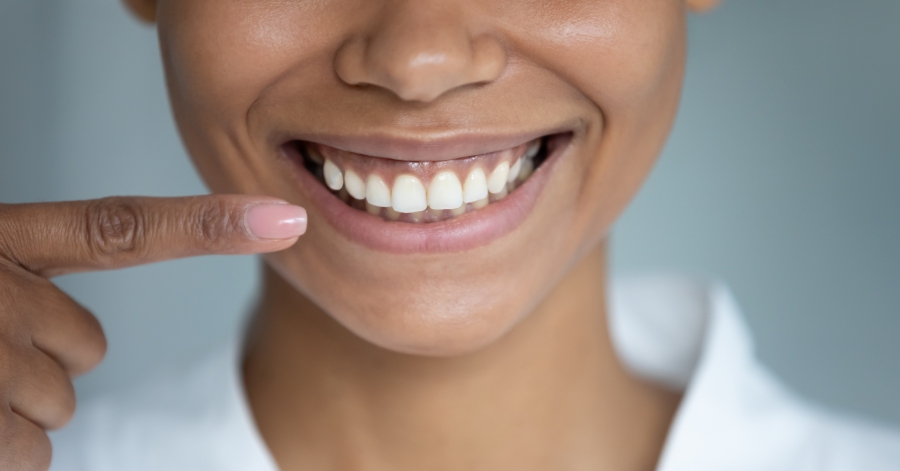
Regular toothpaste cleans your teeth. Nano-hydroxyapatite toothpaste rebuilds them.
Nano-hydroxyapatite is getting a lot of attention, and the claims can sound too good to be true. This guide cuts through the noise. You will learn how nano-hydroxyapatite protects your teeth, what the research shows, and whether it belongs in your routine.
What is Nano-Hydroxyapatite Toothpaste?
Nano-hydroxyapatite (nHA) is a remineralizing toothpaste that uses synthetic hydroxyapatite particles to repair and strengthen tooth enamel. Hydroxyapatite is the mineral that makes up 96-97% of tooth enamel. The formula fills tiny enamel cracks, strengthens enamel, reduces sensitivity, and fights plaque.
The “nano” in the name refers to particle size. Each particle measures 20 to 100 nanometers and matches the scale of your natural enamel crystals. Standard hydroxyapatite particles are 50 to 500 times larger and cannot fill microcracks or bond to weakened enamel.
Nano-hydroxyapatite was first developed by NASA scientist Bernard Rubin in the 1960s. Japan’s Sangi Company bought the rights and launched the first commercial nHA toothpaste in 1980. Japan approved the nHA formula as an anti-cavity agent in 1993.
How Does Nano-Hydroxyapatite Work?
Acids from food and bacteria dissolve minerals in your enamel every day. This process creates tiny pits and weak spots on the tooth surface. Nano-hydroxyapatite reverses that damage by replacing those lost minerals.
Brushing with nano-hydroxyapatite toothpaste deposits particles that bond to weakened enamel. Think of it as filling in micro-cracks the way grout fills gaps between tiles. The particles settle into damaged areas and form a new layer of crystalline enamel that matches your natural tooth structure.
Your saliva adds more minerals to that new protective layer over time. The result is stronger enamel and a smoother tooth surface that resists future acid attacks.
Nano-hydroxyapatite also works when your mouth is dry. People with dry mouths lack the saliva that carries minerals to teeth. Nano-hydroxyapatite provides those minerals without relying on saliva.
Nano-Hydroxyapatite Toothpaste Benefits
The benefits of nano-hydroxyapatite go beyond cleaning your teeth. The formula repairs and strengthens enamel in five ways.
Remineralizes and Strengthens Tooth Enamel
Nano-hydroxyapatite deposits calcium and phosphate into enamel that has lost minerals. Its structure matches natural tooth enamel. This biomimetic design rebuilds weakened enamel with the same minerals found in healthy teeth.
Reduces Tooth Sensitivity
Nano-hydroxyapatite seals the dentinal tubules that send pain signals through thin enamel. An analysis found an average 39.5% reduction in tooth sensitivity with nHA use. Most users report 52-84% improvement within two weeks.
Prevents Cavities and Repairs Early Enamel Damage
Nano-hydroxyapatite remineralizes early enamel lesions before they become cavities. It also repairs white spot lesions, the first visible sign of decay. This dual action works on both new damage and early existing damage.
Whitens Teeth Naturally Without Harsh Chemicals
Nano-hydroxyapatite creates a smoother enamel surface that reflects light more evenly. This makes teeth look brighter without bleaching agents. The brightening is gradual and natural rather than a chemical process.
Fluoride-Free and Safe to Swallow
Some nano-hydroxyapatite formulations are fluoride-free and pose no known toxicity risk. Young children often ingest their toothpaste rather than spit it out. A non-toxic formula safe for kids is essential for them. The EU Scientific Committee on Consumer Safety confirmed nHA is safe at levels up to 29.5%.
Does Nano-Hydroxyapatite Prevent Cavities?
Yes. Nano-hydroxyapatite can prevent cavities by remineralizing enamel. It repairs microscopic tooth damage by restoring calcium and phosphate to weakened enamel. This process strengthens teeth and reduces tooth decay risk.
A meta-analysis found no significant difference between nano-hydroxyapatite and fluoride for cavity protection. An in situ study found 10% nano-hydroxyapatite toothpaste remineralized enamel as well as fluoride toothpaste.
Can Nano-Hydroxyapatite Reverse Cavities?
Yes. Nano-hydroxyapatite can reverse early-stage decay but not advanced cavities. It works where enamel has softened, but no hole has formed yet. Toothpaste cannot fix a cavity that has broken through the enamel.
A white spot on a tooth is an early sign of decay. Nano-hydroxyapatite can remineralize that spot and stop it from growing. A dark hole is a cavity that needs a filling.
Use nano-hydroxyapatite before decay gets that far. Schedule dental checkups every six months to catch lesions while they’re still reversible.
Also Read: Can You Reverse a Cavity?
Does Nano-Hydroxyapatite Whiten Teeth?
Yes. Nano-hydroxyapatite whitens teeth by filling microscopic cracks and smoothing the enamel surface. A smoother surface reflects more light and makes teeth appear brighter. It does not bleach teeth like peroxide but restores their natural whiteness over time.
Nano-hydroxyapatite also removes surface stains by binding to plaque and bacteria during brushing. A systematic review confirmed that hydroxyapatite toothpaste whitens teeth with consistent use. Results are gradual and depend on brushing habits and diet.
Hydroxyapatite vs Nano-Hydroxyapatite Toothpaste
Not all hydroxyapatite toothpastes are the same. Particle size determines how well the mineral binds to your enamel. The gap between standard and nano-hydroxyapatite is significant.
| Feature | Hydroxyapatite | Nano-Hydroxyapatite |
|---|---|---|
| Particle Size | 5,000–10,000 nm | 20–100 nm |
| Enamel Penetration | Stays on the surface | Penetrates micro-cracks and tubules |
| Tubule Occlusion | Limited coverage | Particles are 50x smaller than tubule diameter |
| Remineralization | Surface-level repair | Deeper mineral integration into enamel |
| Sensitivity Relief | Minimal reduction | Seals exposed tubules more effectively |
| Bioavailability | Lower absorption | Higher absorption and stronger bonding |
| Research Support | Moderate evidence | Strong evidence from 18+ clinical studies |
The particle size gap is what matters. Nano-hydroxyapatite particles at 20-100 nm can enter dentinal tubules. Standard hydroxyapatite particles are too large to reach those surfaces.
Nano-Hydroxyapatite vs Fluoride Toothpaste
Both nano-hydroxyapatite and fluoride protect teeth from decay. The right choice depends on your oral health, life stage, and preferences.
| Factor | Nano-Hydroxyapatite | Fluoride |
|---|---|---|
| Mechanism | Deposits calcium phosphate through biomimetic repair | Forms fluorapatite to harden existing enamel |
| Remineralization | Matches natural enamel composition | Converts minerals through chemical process |
| Sensitivity Relief | Seals exposed tubules with nano-sized particles | Reduces sensitivity through mineral hardening |
| Whitening Effect | Smooths enamel surface for natural brightness | No whitening benefit |
| Safety Profile | No toxic dose identified | Toxic above 5 mg/kg body weight |
| Swallowing Safety | Safe to swallow | Caution advised for children |
| Regulatory Status | Approved in Japan (1993) and Canada (2015) | ADA and FDA recognized |
| Research Support | 18+ clinical trials | Decades of studies |
| Best For | Children, fluoride-avoiders, sensitive teeth, dry mouth | High-cavity-risk adults, general daily use |
Research shows neither option is better than the other for cavity prevention. nano-hydroxyapatite suits people who want a fluoride-free option, have young children, or deal with tooth sensitivity. Fluoride suits those who face a high cavity risk.
Also Read: Hydroxyapatite vs Fluoride Toothpaste
Who Should Use Nano-Hydroxyapatite Toothpaste?
Nano-hydroxyapatite toothpaste works as a daily toothpaste for most people. A few groups see the greatest benefit.
- Children and families: nHA is non-toxic when swallowed. A 2024 systematic review called it “an ideal substitute for fluoride in toothpaste for young children.”
- People with tooth sensitivity: nHA seals the tubules that trigger pain. Clinical studies show an average 39.5% reduction in sensitivity.
- Anyone avoiding fluoride: nHA is a supported alternative to fluoride toothpaste for daily cavity prevention.
- Dry mouth patients: nHA delivers calcium and phosphate to teeth without relying on saliva.
- Orthodontic patients: nHA prevents white spot lesions from forming around brackets during treatment.
- Pregnant and nursing mothers: nHA showed no adverse events in clinical trials. It contains no ingredients flagged as harmful during pregnancy.
Families can add nano-hydroxyapatite to their oral care routine as a safe toothpaste replacement.
Which Toothpaste Has Nano-Hydroxyapatite?
Several brands offer nano-hydroxyapatite toothpaste, but the quality and concentration vary. CariFree Gel 1100 uses nanoXIM by FLUIDINOVA, the only nHA source certified by the EU Scientific Committee on Consumer Safety. It is dentist-formulated and safe for daily use.
When to Use Nano-Hydroxyapatite Toothpaste?
Nano-hydroxyapatite works best when used twice daily, morning and night. Timing in your oral care routine affects how long nHA stays in contact with your enamel.
Morning brushing creates a protective mineral layer before your first meal. Night brushing is especially important because saliva production drops during sleep. Less saliva means less natural remineralization. The nHA you apply at night has more contact time to work.
How to Use Nano-Hydroxyapatite Toothpaste for Best Results
The right brushing technique determines how much nHA bonds to your enamel. Two steps in particular make the biggest difference.
Step-by-Step Brushing Instructions
1. Apply a Pea-Sized Amount
Squeeze a pea-sized amount of nano-hydroxyapatite toothpaste onto a soft-bristle brush. This amount covers all tooth surfaces for adults and children over three.
2. Brush for Two Full Minutes
Brush in gentle circular motions for a full two minutes. This gives nHA enough time to reach every surface across all four quadrants of your mouth.
3. Spit Without Rinsing
Spit out the excess toothpaste, but do not rinse with water. Rinsing washes away the nHA before it bonds to your enamel.
4. Brush Twice Daily
Brush every morning and night to give nHA steady contact with your enamel. Once per day is not enough for measurable mineral repair.
5. Wait 30 Minutes Before Eating or Drinking
Avoid food and drinks for 30 minutes after brushing. Eating too soon disrupts the bonding process before nHA can absorb into your enamel.
6. Leave It On Overnight
Skip rinsing before bed and let nHA sit on your teeth all night. This extends contact time and supports active sensitivity relief and early enamel repair.
Tips for Maximum Effectiveness
- Stay consistent for two to four weeks to see results
- Floss daily to reach areas your brush cannot
- Use gentle pressure to protect the enamel you are rebuilding
- Pair with a remineralizing rinse like CariFree Maintenance Rinse for added enamel protection
- Replace your toothbrush every three months
- Visit your dentist every six months to track mineral repair progress
Potential Side Effects and Considerations
Nano-hydroxyapatite has a strong safety profile. The EU Scientific Committee on Consumer Safety confirmed it is safe at concentrations up to 29.5% in toothpaste. Still, a few things are worth knowing.
Clinical studies report no common side effects. Some people notice the texture feels different at first. This fades within a few days. Allergic reactions to nHA itself are not documented. Reactions to other ingredients in a toothpaste are rare but possible.
The biggest consideration is product quality. Not all brands use the same particle shape or concentration. Not all brands use the same concentration or source of nHA. Look for a trusted formula with nanoXIM, like CariFree Gel 1100.
Make the Switch to CariFree Nano-Hydroxyapatite Toothpaste
The evidence is clear. Nano-hydroxyapatite rebuilds enamel, eases sensitivity, prevents cavities, and is safe for the whole family.
Switching takes one step. Replace your current toothpaste with CariFree Gel 1100. CariFree uses nanoXIM, the EU-certified nHA source, in a dentist-formulated gel built for daily use.
Frequently Asked Questions
Here are quick answers to common questions about nano-hydroxyapatite toothpaste.
Is Nano-Hydroxyapatite Toothpaste Safe?
Yes. Nano-hydroxyapatite toothpaste is safe and effective for daily use by adults and children. The EU Scientific Committee on Consumer Safety confirmed its safety. nHA is biocompatible, non-toxic, and safe to swallow. This eliminates the fluorosis risk linked to fluoride products in young children.
Does Nano-Hydroxyapatite Toothpaste Work?
Yes. Nano-hydroxyapatite toothpaste works by bonding to enamel and repairing damage at the mineral level. It also seals exposed tubules to reduce tooth sensitivity. A meta-analysis found Nano-hydroxyapatite matches fluoride for cavity prevention.
How Long Does Nano-Hydroxyapatite Take to Work?
Nano-hydroxyapatite toothpaste produces results within days to weeks, depending on your goal. Sensitivity relief starts within 48 hours to two weeks. Measurable enamel repair takes two to four weeks of twice-daily use. Surface brightening builds over several weeks of consistent use.
Is Nano-Hydroxyapatite Better Than Fluoride?
Neither nano-hydroxyapatite nor fluoride is better in every case. Clinical studies show both prevent cavities at comparable rates. Nano-hydroxyapatite is a strong choice for children, people with sensitivity, and those seeking a fluoride alternative. Fluoride is a strong choice for high-cavity-risk patients.
Where Does Hydroxyapatite Come From?
Hydroxyapatite is a naturally occurring mineral found in human bones and teeth. The nano-hydroxyapatite in toothpaste is a synthetic version of that same mineral. It is chemically identical to the calcium phosphate that makes up to 97% of your tooth enamel.
Where Can I Buy Nano-Hydroxyapatite Toothpaste?
Nano-hydroxyapatite toothpaste is available online and at select retailers. One of the most trusted options is CariFree Gel 1100. Dentists recommend it to rebuild enamel and prevent cavities.